
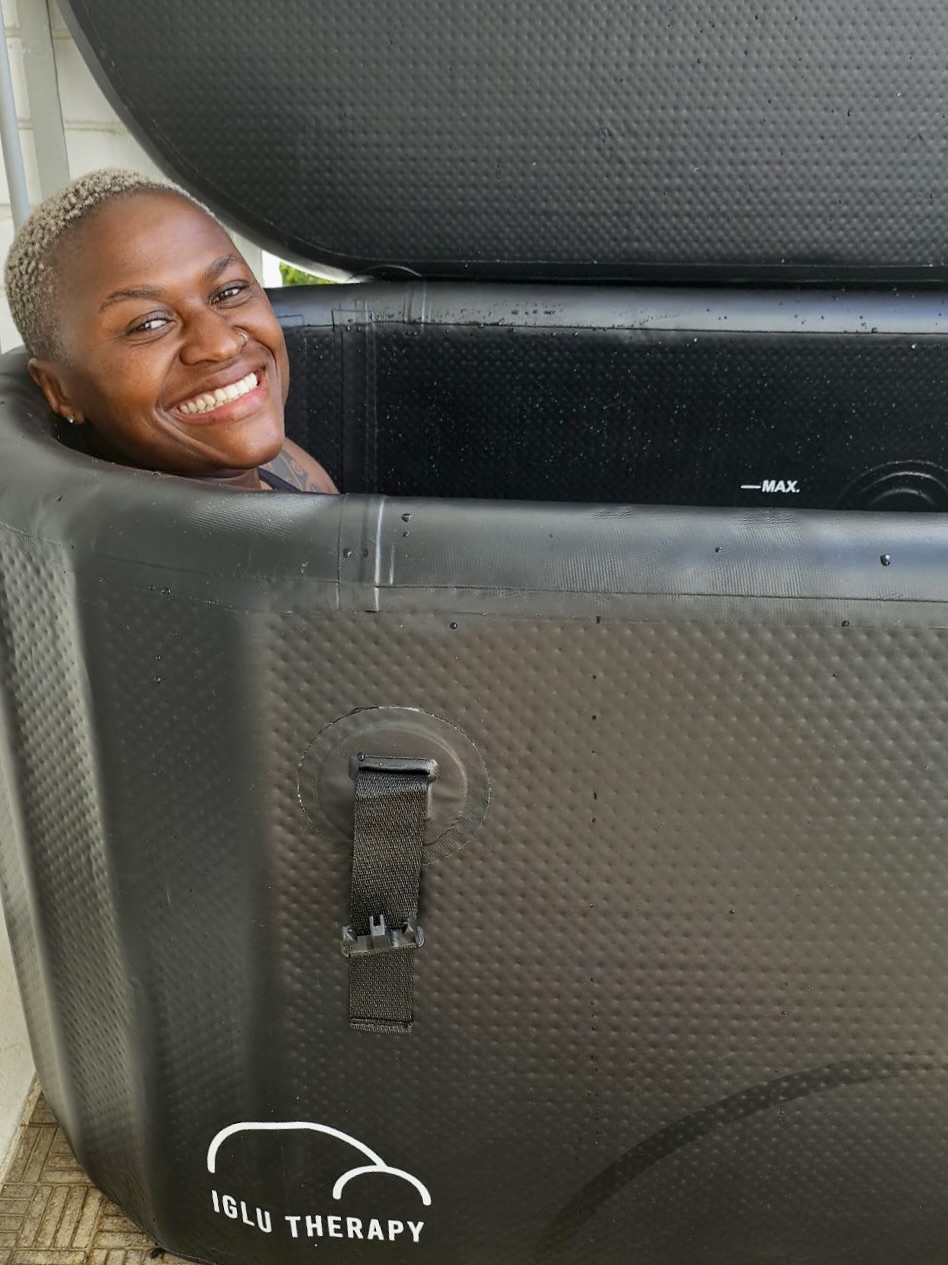
Why the recovery habits of elite athletes like Zintle Mpupha are reshaping everyday wellness
For a long time, strength was defined by how much punishment your body could take. Harder workouts. Longer days. Less rest. But the definition of strength is evolving — and it’s being led not by influencers, but by elite athletes who understand one thing better than most: performance depends on recovery.
That mindset has pushed practices like cold-water plunging out of professional training facilities and into everyday life. And at the centre of this shift is Springbok rugby player Zintle Mpupha — an athlete whose approach to recovery is as intentional as her training.
Recovery Isn’t a Luxury — It’s a Discipline
In a sport as physically demanding as rugby, Zintle knows that what happens after training is just as important as what happens during it. Recovery isn’t something she fits in when time allows — it’s non-negotiable.
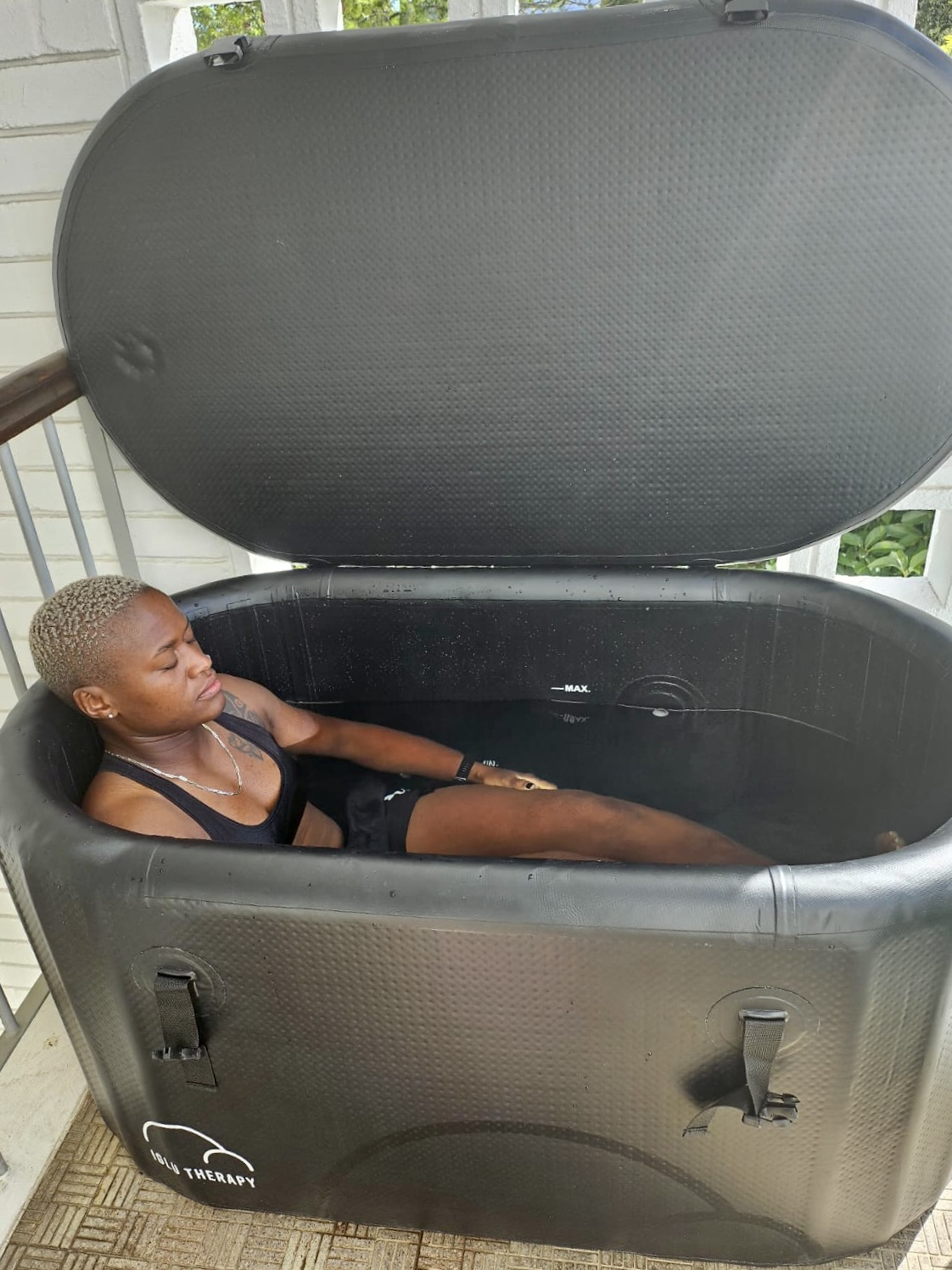
“Stepping into an ice bath isn’t easy,” she says. “It’s uncomfortable on purpose. But it’s in those moments that I remind myself to slow down, focus on my breath, and take care of my body. That’s what allows me to perform at my best — and it’s something anyone can benefit from, not just athletes.”
Cold-water immersion helps manage inflammation, reduce muscle soreness, and reset mentally after intense sessions. But for Zintle, the practice goes beyond physical recovery. “It’s also about discipline and control,” she explains. “If I can face the cold, I can face whatever the day throws at me.”
From Professional Sport to Real Life
You don’t need to be a professional athlete to feel physical and mental strain. Long workdays, parenting, deadlines, poor sleep — modern life places its own demands on the body. That’s why cold plunging is resonating with everyday people.
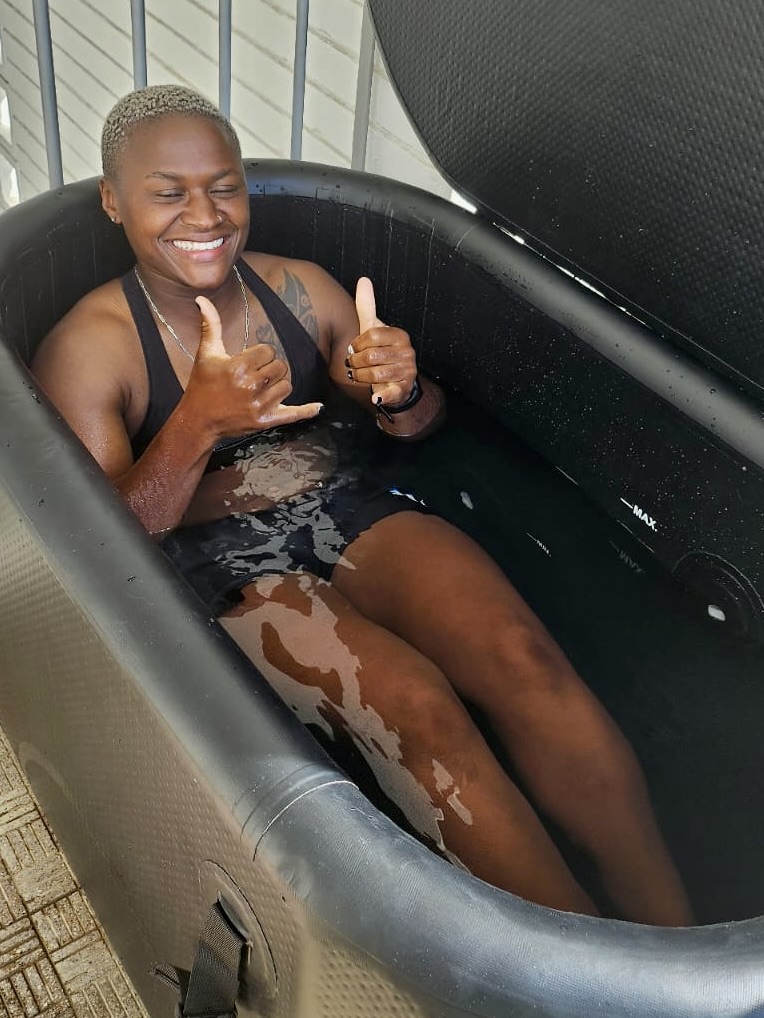
“Even just a few minutes in cold water can change how you feel for the rest of the day,” Zintle says. “It’s a small challenge that gives you a big reward — more energy, more focus, better sleep. I recommend it to anyone who wants to feel stronger, not just fitter.”
Short, consistent cold plunges can help:
- Ease muscle stiffness after workouts or long desk days
- Improve sleep quality
- Increase energy and mental clarity
- Build resilience through controlled discomfort
The principle is the same whether you’re preparing for an international match or a demanding week ahead: take care of the body, and the body shows up for you.
Making Elite Recovery Accessible: The QINU
The shift toward everyday cold therapy has been made possible by accessible equipment — and this is where products like the QINU come in.
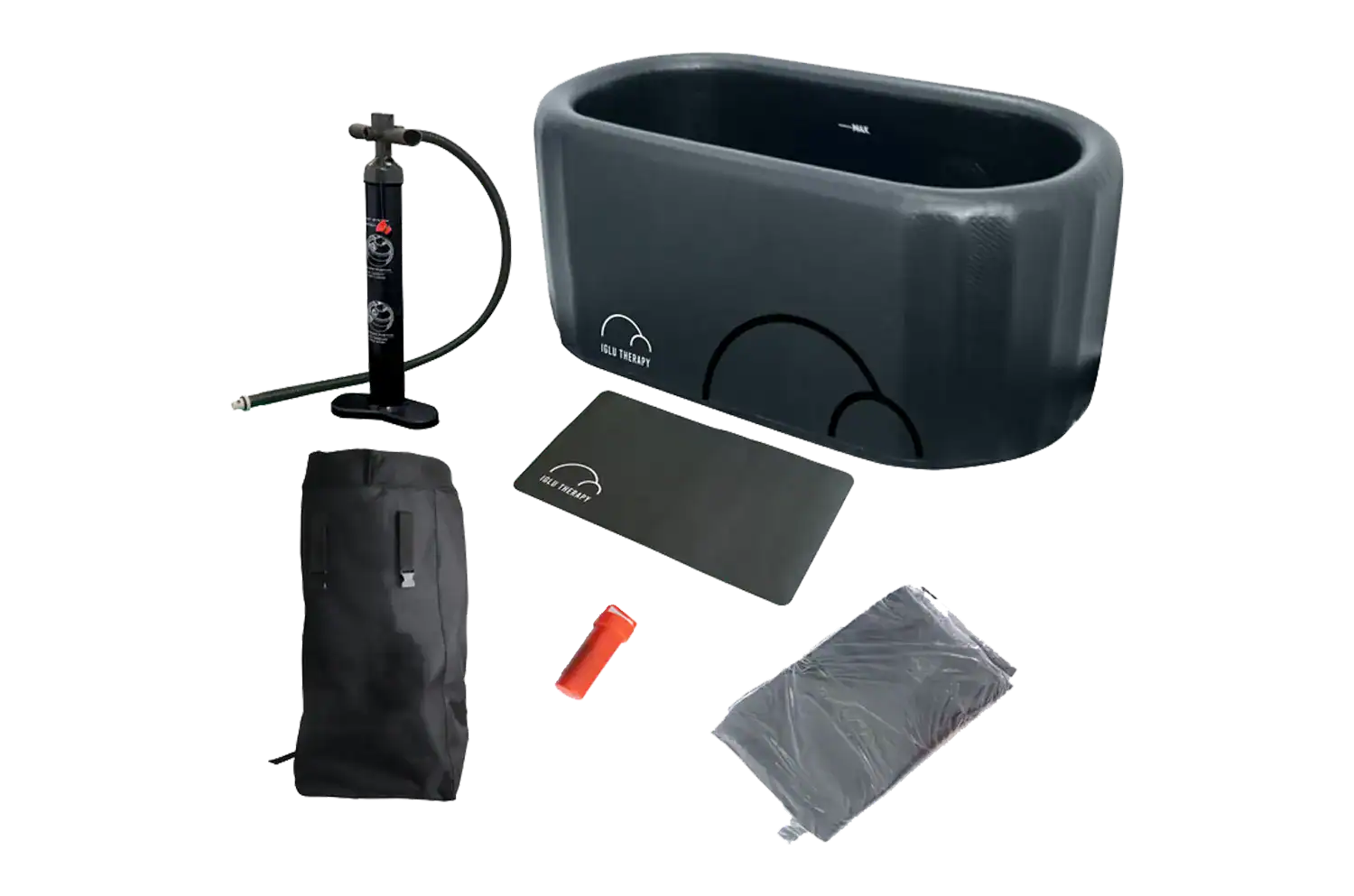
Described as the epitome of “the cold you crave,” Iglu Therapy has built its reputation on delivering serious cold-water immersion without the barriers traditionally associated with it. The QINU reflects that philosophy: a portable, performance-driven ice bath designed to meet the standards of elite athletes while fitting seamlessly into everyday routines.
“Having something like the QINU at home makes cold therapy realistic for everyone,” Zintle notes. “It’s the same cold I use after training, but you don’t need a professional facility to experience it. That’s what makes it so powerful — anyone can take the plunge.”
Built with military-grade durability and advanced temperature control, the QINU brings professional-level recovery into homes, gyms, and wellness spaces. It’s the same cold exposure trusted by athletes like Zintle, adapted for people who want to recover better, sleep deeper, and feel stronger in daily life (https://iglutherapy.com/product/qinu/).
Strength, Redefined
What makes cold-water plunging so powerful isn’t just the physical benefit — it’s the mindset it cultivates. Choosing to step into the cold is choosing to do something difficult on purpose. It builds confidence, discipline, and mental resilience.
“For me, it’s as much mental as physical,” Zintle says. “It teaches patience and control — lessons you can take into everything, from training to life outside sport.”
The growing popularity of cold plunging signals a deeper cultural shift. Wellness is no longer about indulgence or aesthetics; it’s about sustainability. Doing what helps you perform, not just today, but over time.
Cold Is the New Strong
What began in elite sport is now shaping how people think about health at every level. Cold therapy’s journey from the sidelines to the home — embodied by products like the QINU — proves that the cold you crave isn’t just a tagline; it’s a new way to embrace wellbeing.
Strength today isn’t just about pushing harder. It’s about recovering smarter. And in a world that demands more from us every day, that might be the strongest move of all.