

JabulaBets’ Beyond the Name campaign explores the roots, family sacrifices and growing self-belief behind its Rising Spark, Jurenzo Julius.
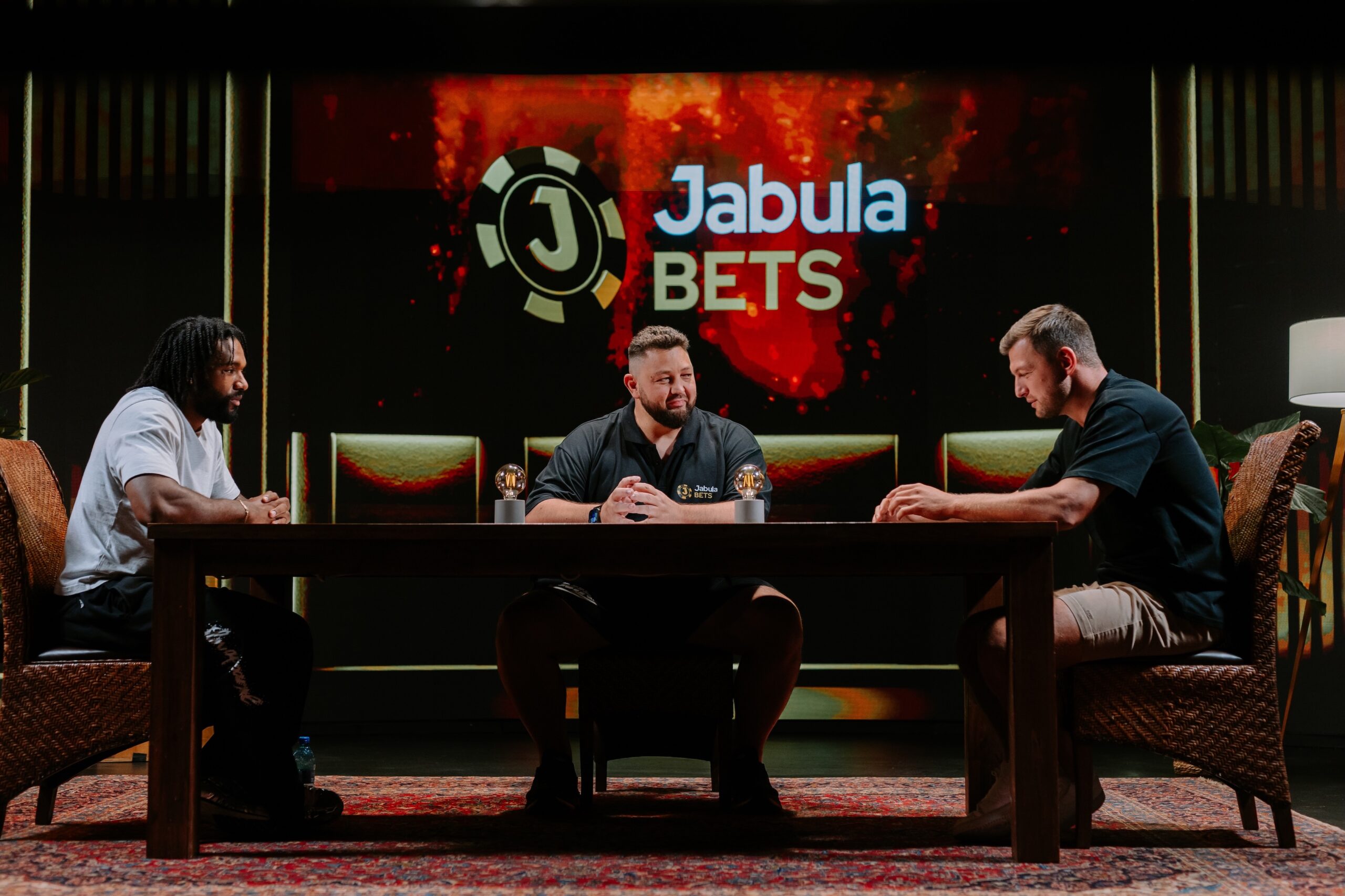
Jurenzo Julius was still a schoolboy when he left Namibia with a rugby dream and a promise to make his family proud. That promise sits at the centre of Building the Name, his story in Beyond the Name, the first major national campaign from JabulaBets. Julius, the Rising Spark of The Jabula Squad (a growing community platform that brings together athletes, personalities and an expanding network of members), joins Handré Pollard and Danie “Pitbull” van Heerden in a series of films, personal interviews and candid conversations that look past the sporting headlines to the families, sacrifices and private moments behind three names South Africans already know. The campaign has been live across JabulaBets’ digital channels since 6 November.
The film follows the road from Paul Roos Gymnasium to senior rugby at 20 and an invitation to a national alignment camp, and the quieter battles hidden between: the loneliness of being far from home, the self-doubt of a self-confessed introvert, and the moment he realised he had lost touch with his roots before finding his way back to the family grounding that made him. It is exactly the kind of story Beyond the Name was made to tell, because behind every name worth following are the people who carried it there.
“We started the business because we saw a gap in the market to bring a brand to life that looked at the people and spoke to South African culture,” says Caly McCall, Co-Founder and Director of JabulaBets. “Jurenzo reminds us why we did it. Nobody gets to where he is alone. There is a mother on the other end of the phone, a father who keeps him grounded and a whole community who believed in him before anyone knew his name. That is the culture we are building at Jabula, one where everybody matters.”
In isiZulu, Jabula means “to be happy” or “to rejoice”. Asked what makes him Jabula, Julius does not talk about tries or team sheets. He talks about a phone call home, and seeing what his news meant to the parents who gave up so much to get him there.

From Namibia to a bigger rugby stage
Born in Namibia, Julius represented the country at Under-13 Craven Week before moving to South Africa on a scholarship to Paul Roos Gymnasium. He recognised the opportunity as a significant step towards his rugby ambitions, but leaving home also meant adjusting to life without the daily support of his family.
“I was going there to live out my dream and make my family proud,” he recalls.
His parents’ belief gave that ambition a foundation. Julius recalls a childhood spent playing different sports, with encouragement balanced by honest feedback on where he could improve. As opportunities grew, their guidance helped him stay connected to the person he was before rugby became a profession.
“But most importantly, my parents. I think they always saw something in me,” he says. “But they also knew how to keep it real, how to keep me grounded, celebrate the good but also told me where I could improve.”
While the move opened doors professionally, Julius admits that the personal adjustment was not always easy. During one particularly difficult period, he struggled with loneliness and missing the comforts of home. It was a conversation with his father that helped him regain perspective and reconnect with the faith that had shaped his upbringing.
“My dad has said so much to me over the years, and I value every piece of wisdom he gives to me,” he explains. “I was chatting to my father and he reminded me that, ‘God is always with you. You are never alone.'”
The reassurance stayed with him. Remembering his faith, upbringing and family helped him navigate the distance from home, showing how much of a developing athlete’s progress depends on support that is not visible on the field.

Keeping his ambition grounded
As his rugby career progressed, opportunities arrived faster than Julius had anticipated. By the age of 20, he was already playing senior rugby, an achievement that brought excitement and recognition but also introduced pressures he was still learning to manage.
“I was playing senior rugby at 20 years old. I never expected to be doing that so soon. It all happened so quickly,” he says. “I went through a phase where I forgot where everything came from, the sacrifices that had been made, and I became complacent.”
Recognising that change in attitude became a turning point. Julius returned to the reasons he had pursued rugby and the work his family had put into helping him get there. Remembering those sacrifices gave him a way to renew his commitment when opportunity began to feel familiar.
“Eventually, I had to remember my why, appreciate the sacrifices, have gratitude for everything and remember the hunger I had for this life that I once only dreamed about.”
“Remember the sacrifices that were made for you, where you come from and why you’re doing it,” he advises aspiring sportspeople. With so much talent competing for opportunities in South African rugby, he knows progress requires attention and effort. His account of a rising career makes room for the lessons that help sustain it.
Jabula doesn’t just recruit high scores and smooth talkers. The brand proudly chooses athletes who actually stand for something, the ones who’ve taken the hits, learned the lessons, and still show up with enough fire to shake up the room.

Growing into the belief behind the Boogeyman
The Boogeyman nickname originated during his primary school years, when a friend suggested it because Julius was bigger than many of the boys his age. What began as a childhood joke eventually became his Instagram name and developed into a fitting description of his competitive approach to rugby.
“I always want to be physically dominant because it’s a physical sport,” Julius explains. “I go into that mindset of dominating and playing the best I can. I guess that’s my on-field persona.”
Away from rugby, Julius describes a quieter personality. Backing himself has not always come naturally, and he has had to work on the way he approaches matches and manages his own expectations.
“I’m an introvert. I tend to overthink things, so sometimes I’m my own worst enemy,” he reveals. “But there are moments when I tell myself, ‘I have to do this.’ I back myself, and I know that I can do it.”
As his confidence develops, each achievement becomes evidence of what preparation and commitment can make possible. The feeling is personal, with relief and joy accompanied by a stronger belief in his ability to take the next opportunity. “The first thing I feel when something I’ve worked hard for finally happens is definitely a bit of relief, a bit of joy and some confidence,” he explains. “It’s knowing that if I work hard for something, it can happen.”
The Rising Spark theme makes room for that process of learning. Julius can recognise how far he has come while acknowledging the confidence he is still developing. His progress includes the private work of backing himself and remembering the reasons he began.
The happiness of sharing the milestone
Throughout his journey, Julius has remained conscious of the role his family has played in helping him pursue his ambitions. While his father has provided guidance and perspective, he describes his mother as the person he is most likely to turn to when he needs support during difficult periods.
“Both parents are always there with a willing ear, but if things are really getting hard, then I’ll talk to my mom,” he shares.
That family connection also shapes the way he celebrates his achievements. When Julius received an invitation to a South African national alignment camp, the first person he called was his father, followed by his mother. Seeing their excitement made the occasion especially meaningful because it represented the culmination of years of collective sacrifice.
“To see how happy they were, and to see all the sacrifices they made paying off, was almost a full-circle moment,” he recalls.
That call gives the meaning of Jabula a shared expression. The invitation marks progress in his career, but his parents’ reaction connects it to the years of effort behind it. A professional milestone becomes a family memory.
Finding belonging through sport
Julius also speaks about the sense of community he finds in South Africa, particularly when people gather behind their national teams. Having moved from Namibia to pursue his ambitions, he values the way different backgrounds can come together through a shared love of sport.
“One of the reasons I love this country is because there are so many different people, different personalities and different cultures, and everyone comes together as one,” he says. “It’s that community of love and coming together as one nation.”
His reflections give McCall’s belief in a culture where everybody matters a personal face. The family who keep him grounded and the wider community he sees united through rugby both contribute to his sense of belonging.
Through Beyond the Name, Julius’s Rising Spark story follows a young athlete learning to turn opportunity into progress while remaining connected to his roots. Jabula Squad brings that journey together with Pollard’s reflections on responsibility and van Heerden’s Challenger spirit. For Julius, “Jabula – It’s a Feeling” lives in growing belief, gratitude and the happiness of celebrating with the people who believed in him first.