
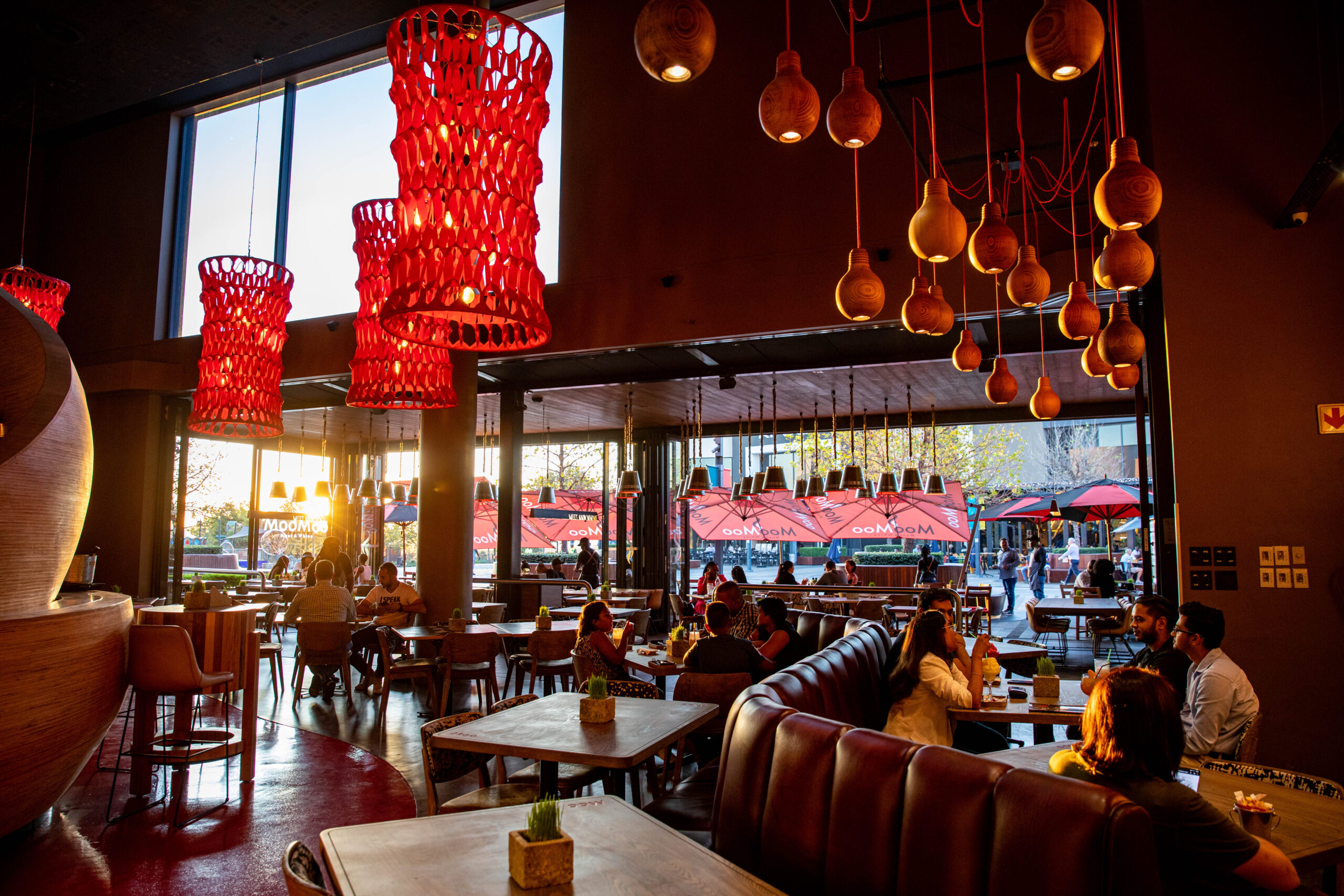
n a business climate where time is compressed and decisions carry greater consequence, the traditional boardroom is no longer the default setting for important conversations. Increasingly, those moments are moving into more informal, yet highly intentional environments. The restaurant table is becoming one of them.
Across sectors, from finance to sport to entrepreneurship, there is a clear return to relationship-led business. Deals are not closed on spreadsheets alone. They are built on trust, tone, and presence. That requires a setting capable of holding both professionalism and ease. The right restaurant delivers exactly that.
This is where the modern steakhouse is finding renewed relevance.
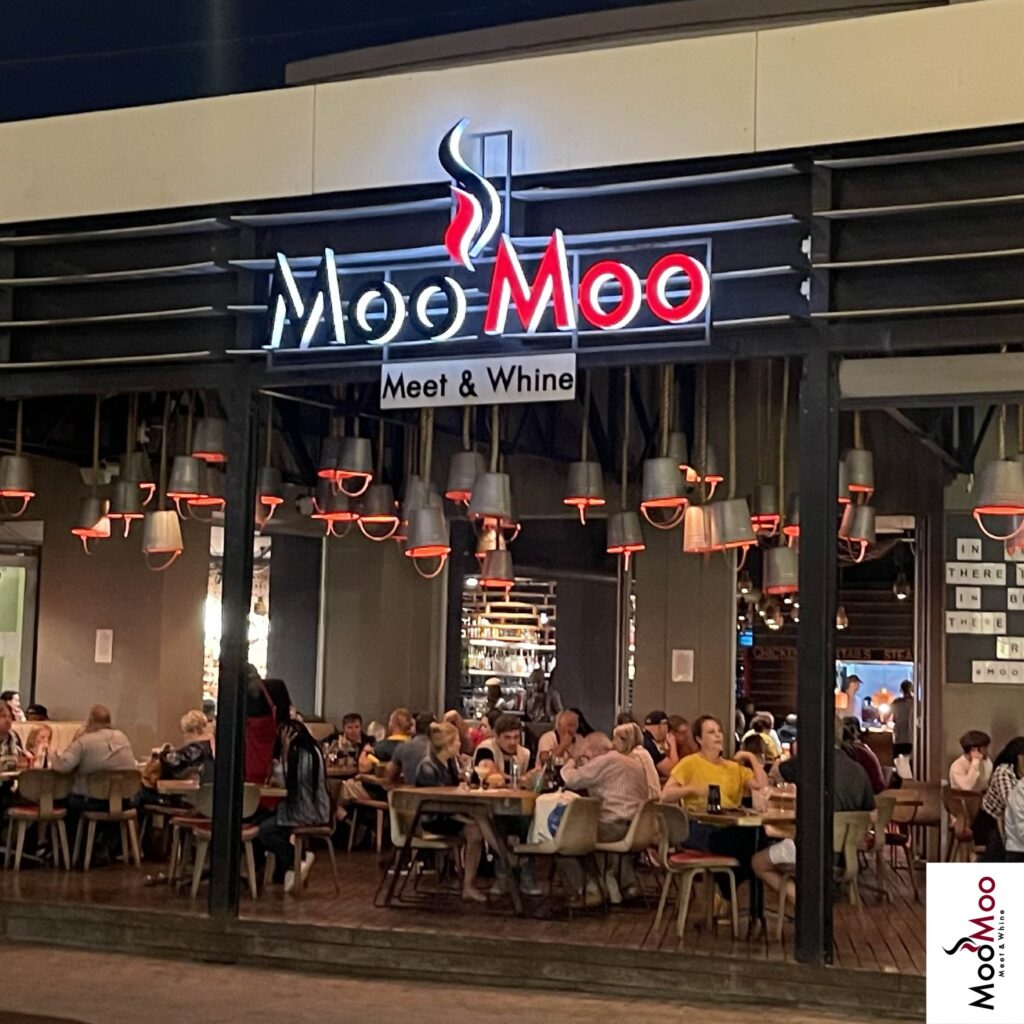
At Moo Moo in Mall of Africa, the pattern is already visible. Weekday lunches are no longer purely social or convenience-driven. They are structured, purposeful, and often tied to meetings that would previously have taken place in offices. Early dinners are hosting clients, progressing conversations, and reconnecting teams that no longer operate from a single physical space.
The reasoning is practical.
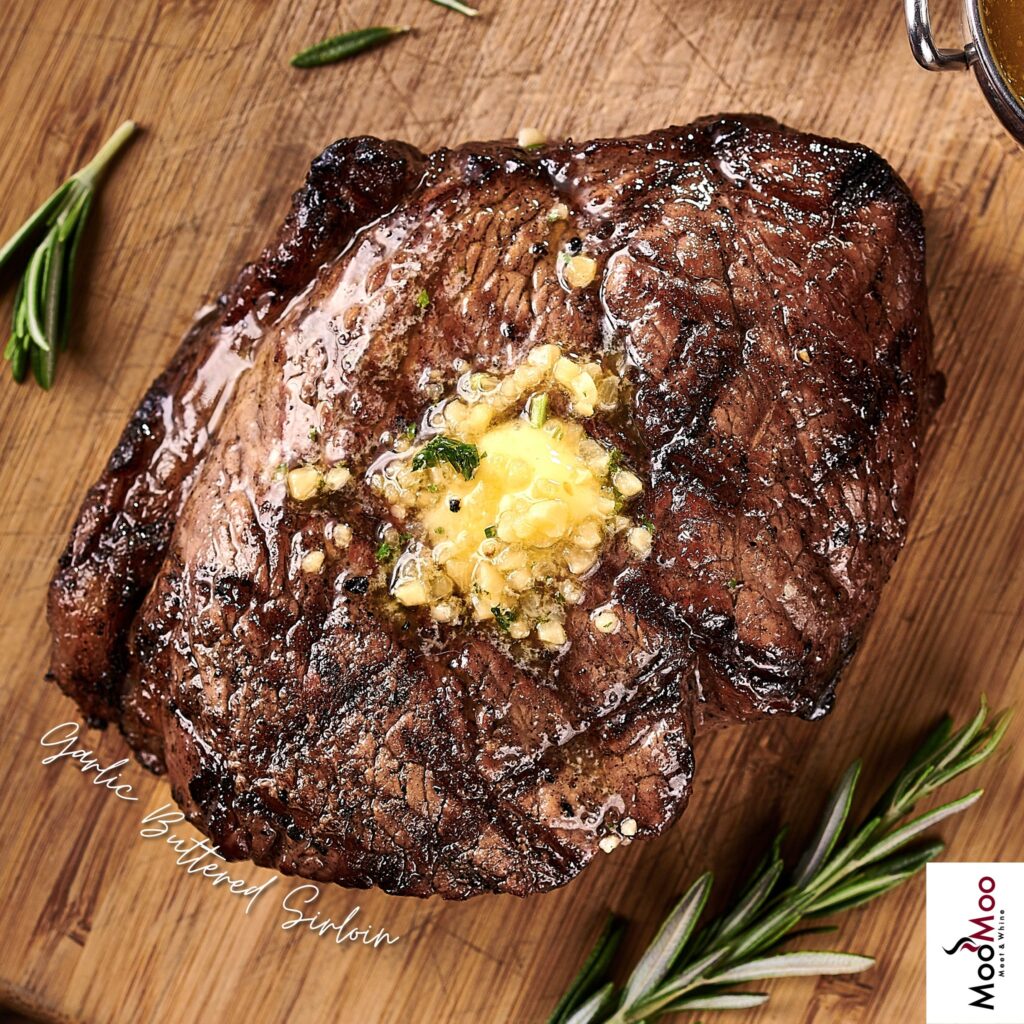
Consistency matters. In business, unpredictability creates friction. A menu that is clear, reliable, and well executed removes unnecessary decision-making and allows the focus to remain on the conversation. Environment also plays a strategic role. The balance between energy and privacy is critical. A space that feels too formal can create pressure, while one that feels too casual can dilute intent. The modern steakhouse sits comfortably between the two. It signals purpose without intimidation.
There is also an element of neutrality. Hosting in an office can introduce a power dynamic. Meeting in a restaurant levels that interaction, particularly in negotiations or early-stage discussions.
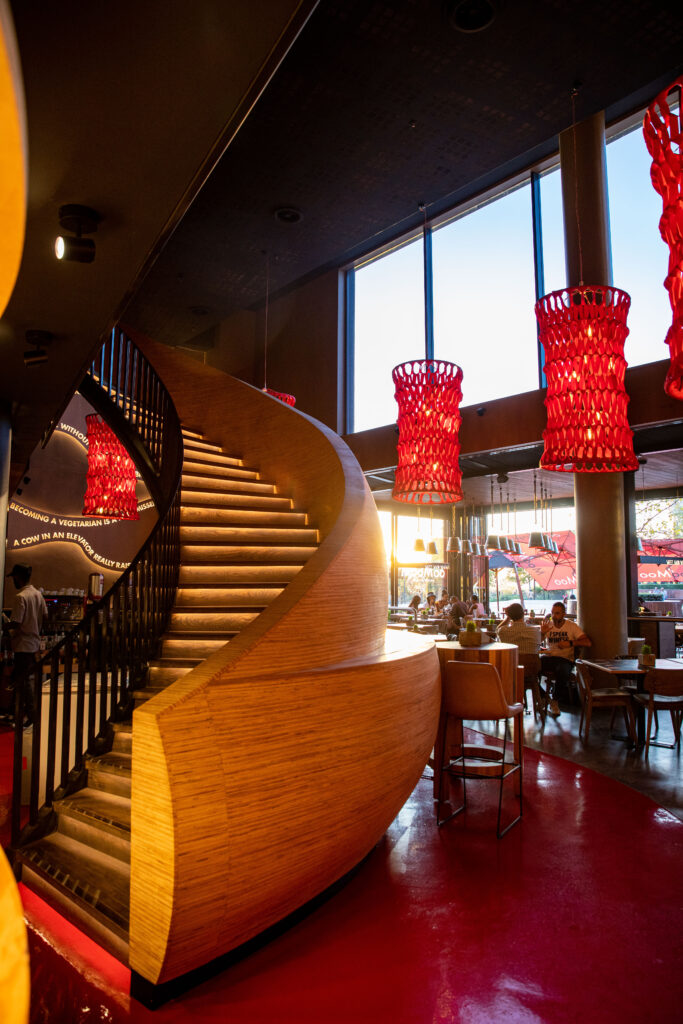
Importantly, this shift is not about indulgence. It reflects a more deliberate approach to time and engagement. Business leaders are increasingly selective about where conversations happen, favouring environments that allow relationship-building and decision-making to occur simultaneously. As Moo Moo Mall of Africa owner, Jimmy Eracleous, notes, this behaviour is already embedded in how guests are using the space:
“We are seeing more guests using Moo Moo as an extension of their working environment. It’s where conversations continue naturally, where relationships are built, and where people feel comfortable making decisions without the formality of a boardroom.”
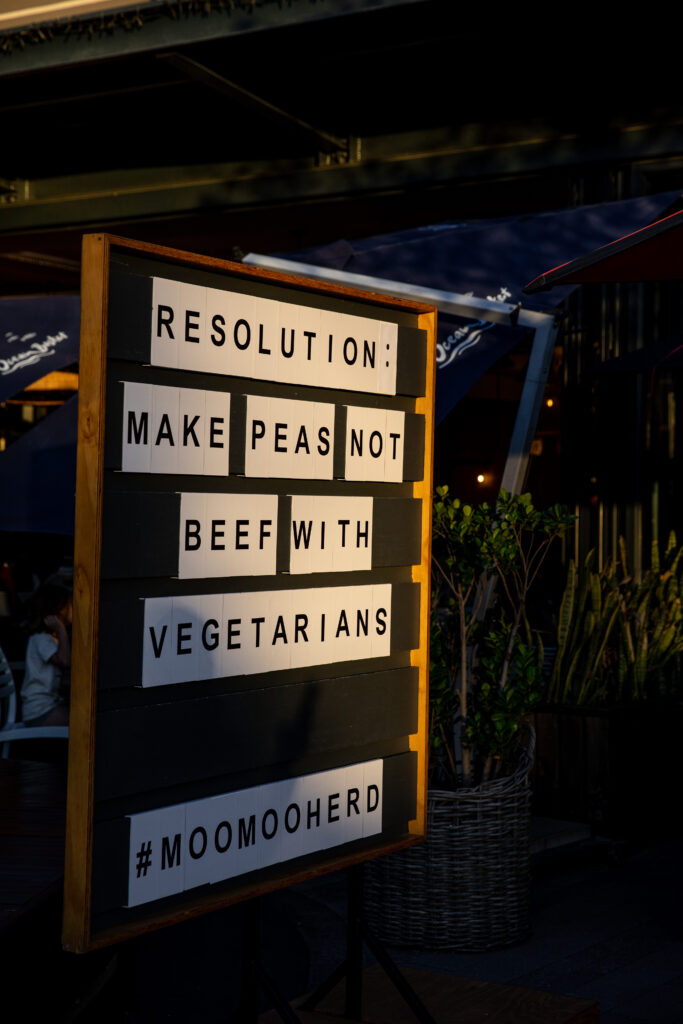
What this points to is a broader evolution in how business is conducted locally. The lines between professional and social spaces are no longer fixed. The setting itself is becoming part of the outcome. For brands like Moo Moo, the opportunity is not to reposition, but to recognise and support a behaviour already in motion.
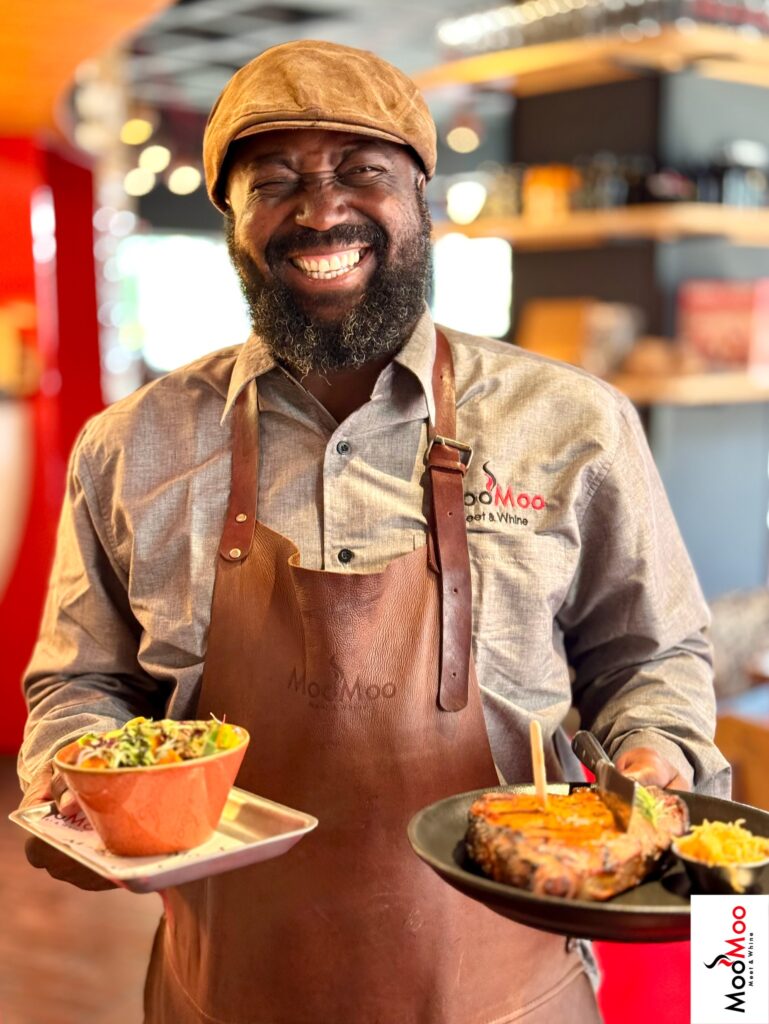
The boardroom is not disappearing. It is expanding. And more often than not, it now includes a well-set table.